In Coldcard user communities, one topic flares up again every so often: should you add a passphrase to your seed phrase?
Supporters argue that a seed phrase can always leak. Someone might see it or photograph it, you might buy a tampered device, or its randomness might turn out to be flawed. With a passphrase, even if all 24 words are exposed, an attacker still can't open the wallet where your real funds live.
Critics counter that if you forget the passphrase, or misremember a single letter, there's no way to recover it. It protects you, but it can also lock you out for good.
Both sides are right. What matters is whether you truly understand it and have backed it up properly.
Key takeaways
- A passphrase is an optional part of the BIP39 standard, often called the "25th word." It can be any string.
- The same seed phrase with different passphrases produces completely different wallets.
- It protects your funds if the seed phrase leaks, but forgetting the passphrase is the same as losing the funds.
- If you use one, you need a separate backup and a recovery test.
How a passphrase works
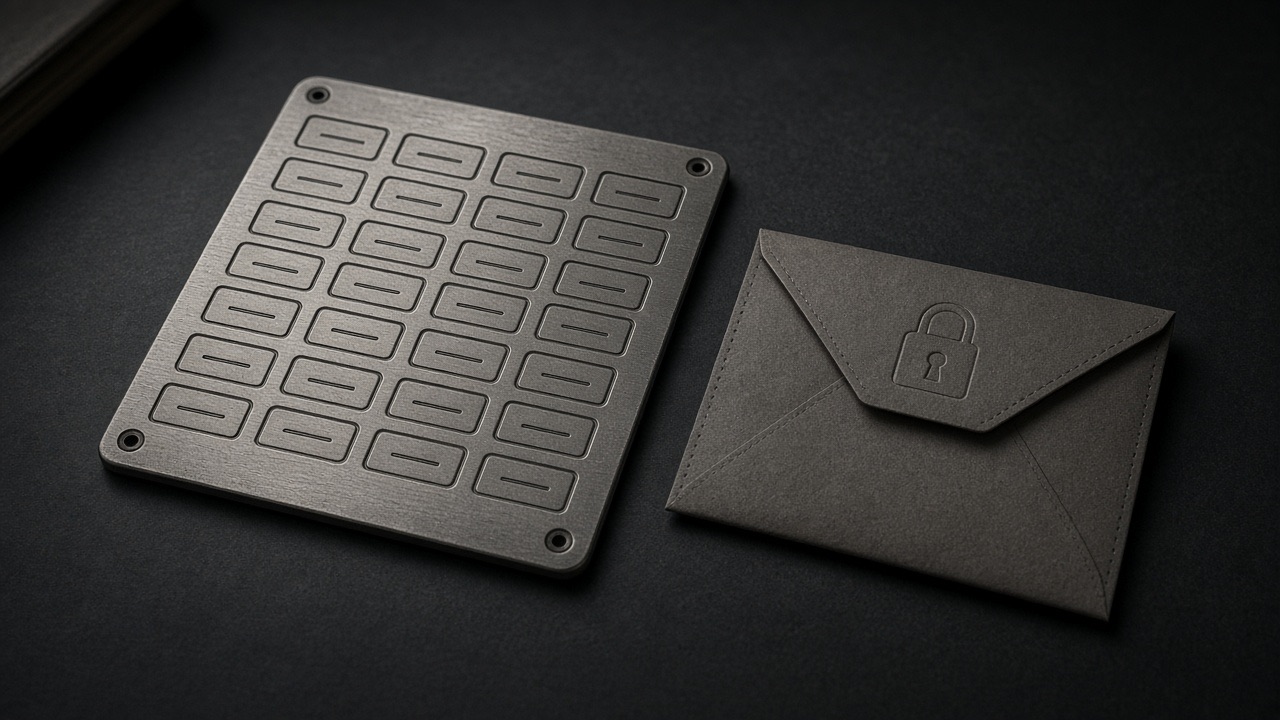
Under BIP39, the wallet combines the seed phrase plus the passphrase to derive the final wallet seed.
- With no passphrase, the passphrase is effectively empty and you get the "default wallet."
- With a passphrase, you get an entirely new wallet with different addresses and balances.
- Enter the wrong passphrase and the wallet won't show an error. It simply opens a different, empty wallet.
That behavior has two important consequences:
- Even if someone gets your 24 words, without the passphrase they only see the default wallet.
- You can keep a small amount in the default wallet as a decoy and store your real funds in the hidden passphrase wallet.
What it protects against, and what it doesn't
| Scenario | Does a passphrase help? | Why |
|---|---|---|
| Your seed phrase backup is seen or stolen | Yes | Without the passphrase, the attacker can't open the hidden wallet |
| You bought a tampered device with a pre-set seed | Partly | If the attacker doesn't know the passphrase you set, they can't directly take funds in the hidden wallet |
| Flawed randomness in seed generation | Partly | The attacker must also crack the passphrase, provided it's strong |
| You're coerced into handing over your wallet | Partly | You can reveal only the default wallet, but personal safety comes first |
| You typed both seed and passphrase into a phishing site | No | With both leaked, it's as if you never set one |
| You signed a malicious approval | No | Signing happens inside the already unlocked wallet |
| You forget or misremember the passphrase | No, and you lose the funds | Nobody can recover it for you |
A passphrase mainly protects against the seed phrase leaking on its own. To learn how seed phrases leak, read is your seed phrase really known only to you?
What Coldcard users are arguing about
Coldcard has long targeted advanced users. Beyond passphrase support, it offers related advanced features such as Seed XOR, which lets you split a seed phrase into parts, and "trick PINs" that open a specific wallet under duress. More features mean more debate.
| Point of contention | Supporters say | Critics say |
|---|---|---|
| Security | An extra layer, so a leaked seed isn't fatal | One more thing to store, one more way to fail |
| Forgetting | Solved with proper backups | Many people overestimate their memory and backup habits |
| Inheritance | Can be included in an estate plan | Harder for family to understand; recovery is more difficult |
| Decoy wallets | A way to protect yourself under coercion | Under real threat of violence, your safety matters more than your coins |
| Complexity | Advanced users should master it | Beginners misconfigure it and end up less safe |
At its core, the debate is this: a passphrase shifts part of the risk from "someone steals it" to "I lose it." Whether it suits you depends on which worries you more.
If you decide to use one, do it this way
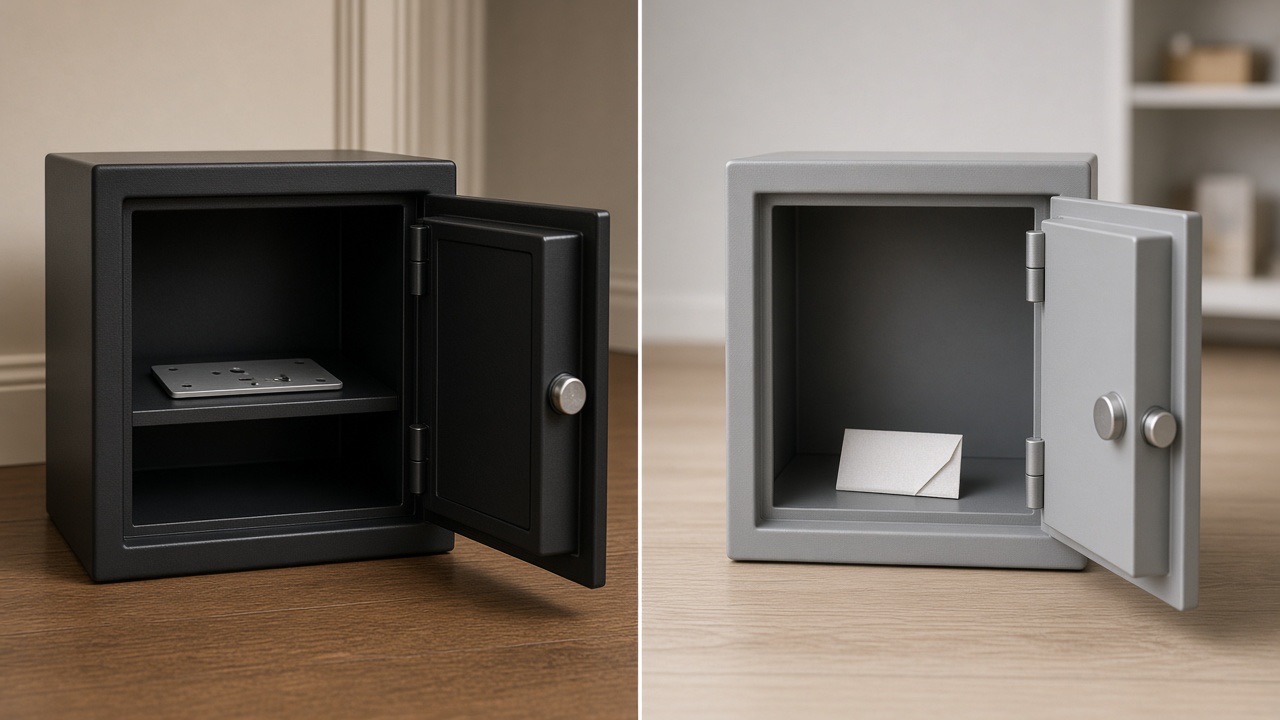
- Make it strong. Avoid birthdays, phone numbers or common words. A combination of several random words of sufficient length works well.
- Back it up separately. Store the passphrase backup somewhere different from the seed phrase backup. Keeping them together defeats the purpose.
- Mind capitals and spaces. Passphrases are case-sensitive, and one extra space opens a different wallet. Write it down exactly.
- Test before you deposit. After setting it up, send a small amount, then fully restore with the seed phrase plus passphrase on the device and confirm you reach the same wallet.
- Record the first receiving address. Note the hidden wallet's first address and check it each time you enter the passphrase to confirm you typed it correctly.
- Plan for inheritance. Let a trusted family member know that a passphrase exists and where to find the backup, without telling them what it is.
FAQ
Can I store my passphrase in a password manager?
It can be one of your backups, but weigh the risk. A password manager is online. If it's breached and your seed phrase has also leaked, your funds are gone. It's safer to rely mainly on offline backups and never keep the passphrase in the same place as the seed phrase.
I forgot my passphrase. Is there any hope?
If you've forgotten it completely, almost none. If you're only unsure about details, such as capitalization or one letter, you can try a limited number of variations in a secure offline setting. Be wary of any service claiming it can crack it for you; many are scams.
Should beginners set a passphrase?
Get comfortable with the basics first: backing up, restoring and signing on a hardware wallet. Until you have solid backup habits, the risk of forgetting a passphrase may outweigh the protection it offers.
What's the difference between a passphrase and the device PIN?
A PIN only unlocks that particular device; if you lose the device, you can restore on a new one with your seed phrase. A passphrase is part of how the wallet is generated, so you need it on any device. Forget the PIN and you can reset the device. Forget the passphrase and you may lose the funds forever.
Summary
A passphrase really can save you if your seed phrase leaks, but the protection isn't free: it shifts part of the risk from theft to forgetting. There's no universal answer on whether to use one. If you do, make it strong, back it up separately, write it down exactly and test before depositing.
For the problem of seed phrase randomness, read a firmware bug hidden for years. For the risks of memorizing your seed phrase, read can you memorize 24 words and carry bitcoin anywhere? This article is for education only and isn't investment advice.

Covers security and beginner guides: wallet safety, key management, phishing and approval risks, helping readers avoid the most common ways to lose funds.
Our editorial principles →
 Sarah Collins
 David Mitchell