Bitcoin has an event written into its code that arrives like clockwork roughly every four years: the halving.
At each halving, the bitcoin reward miners receive for a new block is cut in half. From 50 bitcoin per block in 2009 to 3.125 after 2024, new supply has been slashed again and again.
In the year or two after every past halving, bitcoin went through a big bull run. So "the halving rally" and "the four-year cycle" have become articles of faith for many. But is the pattern actually reliable?
Key takeaways
- Bitcoin halves every 210,000 blocks, roughly every four years, and its supply is capped at 21 million.
- The four halvings so far came in 2012, 2016, 2020 and 2024, cutting the block reward from 50 to 3.125 bitcoin.
- Each past halving was followed by a cycle peak within 12 to 18 months, and then by a drawdown of more than 70%.
- With only four examples, and ETFs, institutions and macro conditions reshaping the market, "the halving always pumps" isn't dependable.
- What the halving guarantees is a change in supply. Price also depends on demand.
What the halving is

Bitcoin has no central bank. New bitcoin is created only through mining. Each time a miner successfully produces a block, it earns a block reward of newly issued bitcoin, plus the transaction fees in that block.
Bitcoin's code says: every 210,000 blocks, the block reward is cut in half. At an average of one block every 10 minutes, 210,000 blocks take about four years.
Because the reward keeps halving, bitcoin's total supply approaches but never exceeds 21 million. The last bitcoin is expected to be mined around 2140. As of 2026, nearly 20 million have already been mined. For how mining works, see bitcoin mining explained.
The four halvings
| Halving | Date | Block height | Reward change | Price at halving (approx.) | Following cycle peak (approx.) |
|---|---|---|---|---|---|
| First | November 28, 2012 | 210,000 | 50 → 25 | $12 | December 2013, about $1,100 |
| Second | July 9, 2016 | 420,000 | 25 → 12.5 | $650 | December 2017, nearly $20,000 |
| Third | May 11, 2020 | 630,000 | 12.5 → 6.25 | $8,600 | November 2021, about $69,000 |
| Fourth | April 20, 2024 | 840,000 | 6.25 → 3.125 | $64,000 | 2025, briefly above $120,000 |
Note: prices are approximate and vary slightly between data providers.
One trend stands out: each cycle's gains have been shrinking. After the first halving, the price rose about 90x; after the second, about 30x; after the third, about 8x; and after the fourth, less than 2x as of the 2025 high.
Don't forget the bear markets
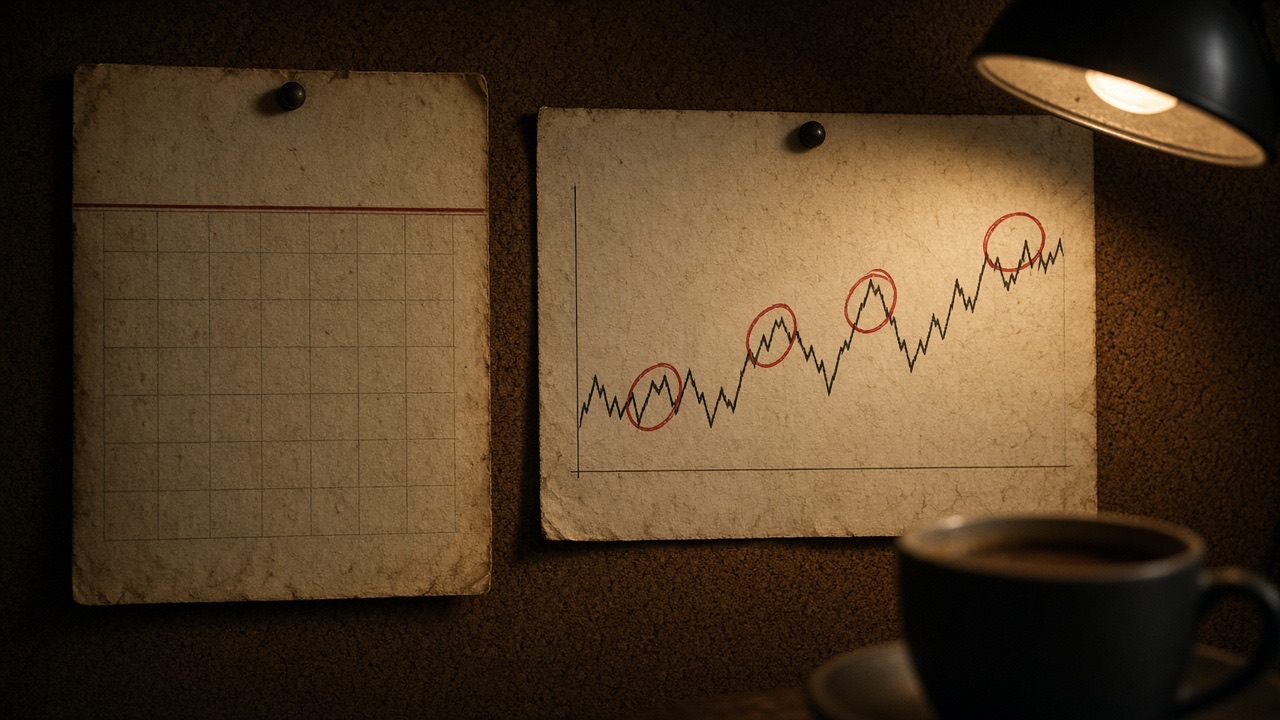
People talking about halving rallies tend to remember the bull runs and forget the deep drawdowns that followed:
| Cycle | Peak | Largest drawdown afterward (approx.) |
|---|---|---|
| After the 2013 peak | About $1,100 | About 85% |
| After the 2017 peak | Nearly $20,000 | About 84% |
| After the 2021 peak | About $69,000 | About 77% |
Buy near a cycle peak, and it could take years to break even. That's the other side of the four-year cycle.
Why the halving might affect price
The main argument for a halving rally is supply and demand:
- After a halving, miners produce half as much new bitcoin per day. Since the 2024 halving, that's about 450 bitcoin a day (roughly 144 blocks × 3.125).
- Miners sell some of their bitcoin to cover electricity and operating costs, so less new supply means less potential selling pressure.
- If demand holds steady or grows, a smaller supply could push prices higher.
But the halving's effect on supply is fading over time. After the 2024 halving, new bitcoin adds only about 0.8% to the total supply per year, lower than many fiat currencies' growth. With so little new supply left, each halving matters less at the margin.
Why the four-year cycle may not keep working
- Too few examples: four halvings aren't enough for a reliable statistical pattern.
- The market has changed: spot ETFs, public companies and institutional money tie bitcoin's price more closely to the economy, interest rates and traditional markets. See spot bitcoin ETFs and fund flows.
- Expectations get priced in: when everyone knows a halving is coming, the market may move ahead of it.
- Demand is what matters: the halving only fixes supply. Price ultimately depends on whether enough new buyers show up.
FAQ
When is the next bitcoin halving?
The next halving will happen at block 1,050,000. At one block every 10 minutes, that's around 2028. The block reward will fall from 3.125 to 1.5625 bitcoin. The exact date depends on how fast blocks are actually produced.
How will miners earn money once all bitcoin is mined?
Their income will come entirely from transaction fees. Whether fees will be enough to keep the network secure is a long-running debate in the bitcoin community, though it won't really matter until around 2140.
Does the price rise right after a halving?
Historically, there's been no clear pattern in the month of the halving itself. Previous cycle peaks came 12 to 18 months later, but that doesn't mean the next one will.
Can I trade bitcoin based on the halving cycle?
Using the halving cycle as your only signal isn't advisable. There are too few examples, the market is changing, and even if the pattern held, your results would depend heavily on when you bought.
Summary
The bitcoin halving is a certainty written into code: every 210,000 blocks, new supply is cut in half, and total supply will never exceed 21 million. All four past halvings were followed by a bull run, and all were followed by drawdowns of more than 70%, with each cycle's gains shrinking.
What matters is understanding what the halving fixes (supply) and what it doesn't (demand and price). To learn bitcoin from the ground up, read what is Bitcoin? Blockchain, mining and the halving. This article is for education only and isn't investment advice.

Covers Bitcoin: the protocol, mining, the halving cycle and network development, writing from the white paper and verifiable on-chain data.
Our editorial principles →
 Michael Carter
 David Mitchell