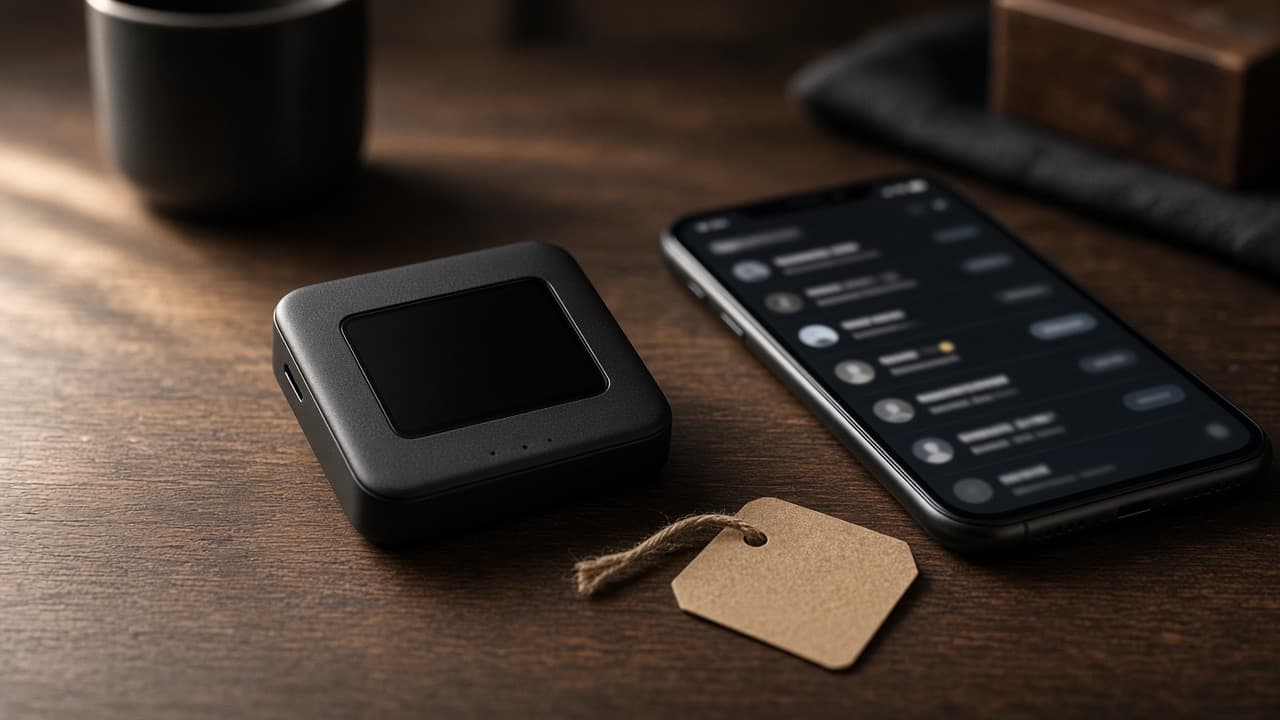
"Get a hardware wallet and your crypto is safe." It may be the most repeated security advice in crypto.
Yet hardware wallet incidents keep making headlines: poisoned code libraries, customer data leaks, counterfeit devices on the market, researchers demonstrating firmware that leaks seed phrases. Every time, the same question pops up in community chats: "Are cold wallets still safe?"
The honest answer: hardware wallets remain one of the most reliable ways to store crypto, but they were never "absolutely secure." What these incidents exposed usually wasn't a cracked chip. It was the weak links around the device, and common misunderstandings about seed phrases.
Key takeaways
- Most recent hardware wallet incidents hit the supply chain, the software ecosystem and customer data, not the device's chip.
- After Ledger's 2020 customer data leak, years of phishing emails, texts and even mailed "replacement devices" followed.
- Researchers have shown that tampered counterfeit devices can come with pre-set seed phrases, and that malicious firmware could in theory leak a seed phrase through transaction signatures.
- The shared lessons: buy only from official sources, run only official firmware, read before you sign and take seed phrase storage seriously.
- A passphrase adds protection in many of these attack scenarios.
A look back: notable hardware wallet incidents
| When | Incident | Where it happened | Impact on users |
|---|---|---|---|
| 2020 | Ledger's customer database leaked: about 1 million emails, plus 270,000+ records with names, addresses and phone numbers | Customer data | Years of phishing emails and texts, even mailed "fake devices" |
| 2020 | Kraken Security Labs showed that, with physical access, seed phrases could be extracted from some Trezor models via voltage glitching | Device hardware (physical access required) | A passphrase mitigates it |
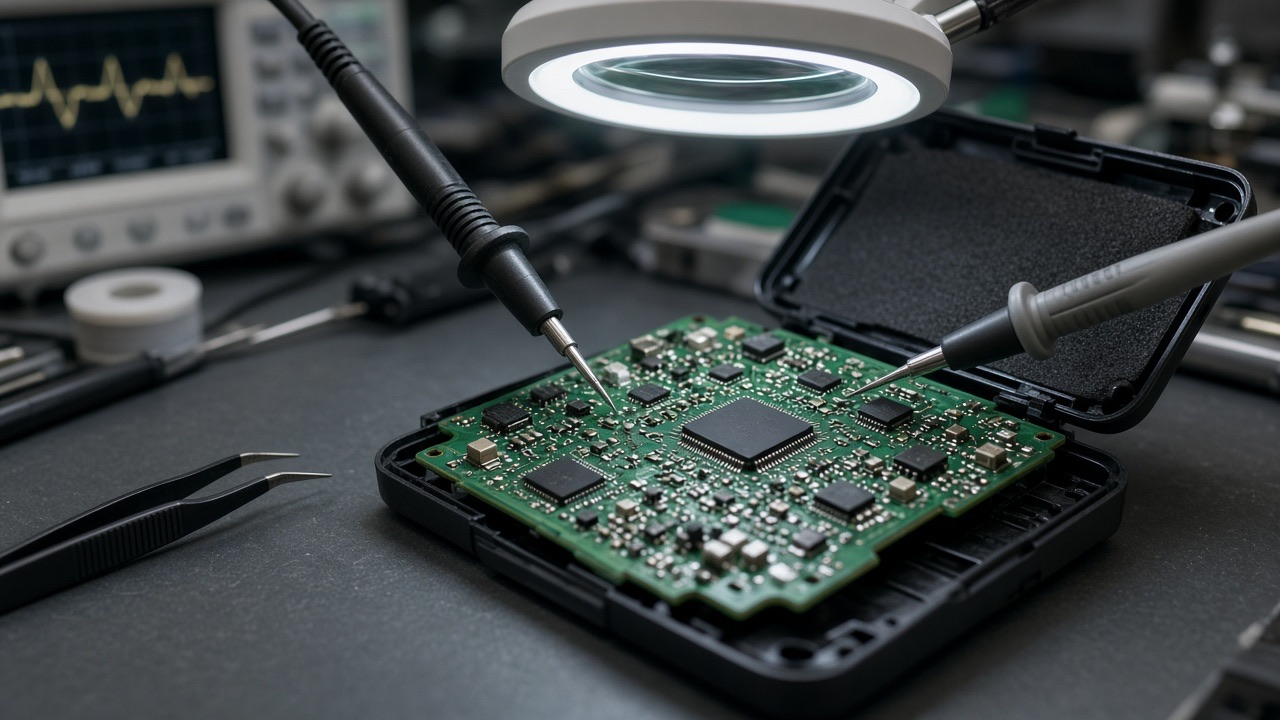
| 2023 | Kaspersky analyzed a tampered counterfeit Trezor with pre-generated seed phrases | Supply chain | Buyers from unofficial channels were drained |
| Dec 2023 | Ledger Connect Kit library poisoned with wallet-draining code | Software ecosystem (a library used by third-party dApps) | Users who signed on affected dApps lost about $600,000 |
| Jan 2024 | Unauthorized access to Trezor's third-party support system may have exposed some users' contact details | Customer data | A small number of users received phishing emails |
| 2024 | Researchers published Dark Skippy: malicious firmware could leak a seed phrase through a few signatures | Firmware (theoretical attack) | Running official firmware is an effective defense |
The pattern is clear: attacks on the chip itself usually require physical access and a high level of skill. Most of the risk comes from the ecosystem around the device.
Incident one: a data leak that moved attacks from online to your doorstep
Ledger's 2020 data leak is one of the most far-reaching events in hardware wallet history. No private keys or seed phrases were exposed, only names, phone numbers and shipping addresses.
That turned out to be plenty. For years afterward, Ledger customers were hit with phishing:
- Emails and texts posing as Ledger, warning "your account is at risk, please verify your seed phrase."
- Clone Ledger Live download pages that asked for seed phrases.
- Some customers even received a "replacement device" in the mail with an official-looking letter telling them to restore their wallet on it. The device had been modified.
Lesson: once your identity leaks, attackers know you hold crypto and which wallet you use. Treat every "official" contact afterward with suspicion. No legitimate company will ever ask for your seed phrase or mail you an unrequested device.
Incident two: a counterfeit device that was never really yours
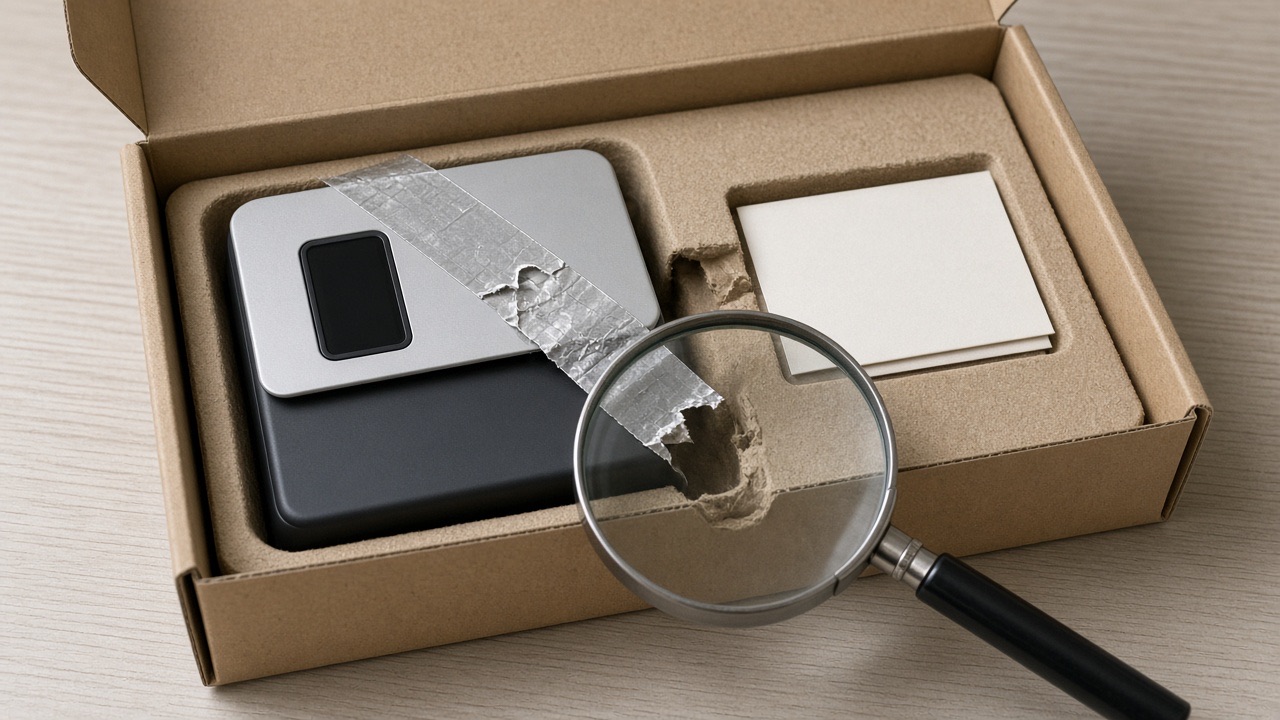
In 2023, Kaspersky analyzed a counterfeit Trezor that looked almost identical to the real thing, packaging included. Inside, the chip had been swapped and the firmware modified so that every seed phrase it "generated" was prepared in advance by the attacker. The owner believed they'd created a fresh wallet. The attacker already knew the seed phrase and simply waited for funds to arrive.
Devices like this tend to show up in third-party marketplace stores, secondhand sites and "discount reseller" listings.
Lessons:
- Buy hardware wallets only from the manufacturer's website or authorized resellers.
- Never buy used devices or anything "pre-activated" or "pre-configured."
- Inspect the packaging and verify the device's authenticity with the official app.
- If a device comes with a recovery card that's already filled in, it's fake.
Incident three: the device was fine; the problem was what got signed
The Ledger Connect Kit incident in December 2023 was a textbook supply chain attack. Attackers phished a former employee's publishing credentials and slipped wallet-draining code into a JavaScript library used by many dApps.
For a few hours, visitors to affected dApps saw a fake wallet-connection pop-up that pushed them to sign malicious transactions. The hardware wallets weren't compromised and no seed phrases leaked. But anyone who pressed "confirm" on their device lost their funds.
Lesson: a hardware wallet protects your private key. It can't judge whether a transaction makes sense. Before you sign, read the device screen carefully: who receives the funds, who gets approval and how much. If you don't understand it, don't sign it.
Incident four: malicious firmware that hides your seed phrase in signatures
In 2024, researchers published an attack called Dark Skippy. If a hardware wallet runs tampered firmware, that firmware can quietly encode seed phrase information into transaction signatures. By watching just a few transactions on the blockchain, an attacker could potentially reconstruct the full seed phrase.
For now this is a theoretical attack that requires malicious firmware on the device. But it makes one thing clear: where your firmware comes from matters as much as the seed phrase itself.
Lesson: update firmware only through the official app, never install firmware from unknown sources and never click "firmware update" links in emails or texts.
Why these incidents made crypto rethink seed phrases
Put these incidents side by side and a common thread appears: the attacker's end goal is almost always your seed phrase, or getting you to sign a transaction.
| Attack | What the attacker wants | Your defense |
|---|---|---|
| Phishing emails, texts, fake support | Trick you into entering your seed phrase | Any request for your seed phrase is a scam |
| Counterfeit or tampered devices | Get you using a seed phrase they already know | Buy only from official sources; generate the seed on the device yourself |
| Poisoned libraries, malicious dApps | Get you to sign a malicious transaction | Check the details on the device screen before signing |
| Malicious firmware | Leak your seed phrase through signatures | Use only official firmware |
| Physical attacks | Extract the seed phrase from the device | Set a passphrase; keep the device secure |
A passphrase helps in many of these scenarios. Even if your seed phrase leaks through a physical attack or some other route, the attacker can't open the wallet that actually holds your funds without it. Keep in mind that a forgotten passphrase can't be recovered, so back it up carefully and separately from your seed phrase.
FAQ
After all these incidents, are hardware wallets still worth using?
Yes. Used correctly, a hardware wallet is still far safer than leaving funds on an exchange or in a phone wallet. The value of these incidents is the reminder that where you buy, which firmware you run and how you sign matter just as much.
My personal details were exposed in a data leak. What should I do?
If your seed phrase wasn't exposed, your funds are safe for now. But stay alert: ignore any email, text or call claiming to be official, don't click their links and don't accept any "replacement device." If you're worried about physical safety, consider changing details like your shipping address.
How can I tell whether my hardware wallet is genuine?
Buy from official channels, check the packaging for signs of tampering, then connect it to the official app to verify authenticity. Most importantly, a genuine device has you generate the seed phrase on the device the first time you set it up. It never comes with one pre-written.
What if I can't understand what my device shows when I sign?
Don't sign. Look up the transaction details in a block explorer or a wallet security tool first, or ask through official support channels. "Blind signing," where the device shows only unreadable data, is especially risky. Be extra careful with large amounts.
Summary
Recent hardware wallet incidents don't prove cold wallets are unsafe. They prove that a cold wallet is only as strong as the weakest link in the chain: where you bought it, the firmware it runs, every transaction you sign and how you store your seed phrase.
Put the lessons into practice: buy from official sources, run official firmware, read before you sign, and keep your seed phrase offline with a passphrase on top. For a full walkthrough of a cold wallet theft, read how 80 bitcoin vanished overnight. To learn where else a seed phrase can leak, read is your seed phrase really known only to you. This article is for education only and isn't investment advice.

Covers Ethereum and DeFi: smart contracts, gas, Layer 2, and how decentralized exchanges and lending protocols work, and where they can fail.
Our editorial principles →
 David Mitchell
 Sarah Collins