
"You paid a few hundred dollars for a cold wallet and your coins still got stolen. How is that not a waste of money?"
Whenever a hardware wallet brand gets caught up in a security controversy, posts like this flood social media. Ledger in particular has triggered round after round of debate, from its 2020 customer data leak to the 2023 Recover backlash and the Connect Kit library attack.
The debate deserves a serious answer, because the real question underneath is this: is holding your own keys actually safer than leaving coins on an exchange, or does it just swap one risk for another?
Key takeaways
- Ledger's recent controversies mostly involved customer data, optional services and the software ecosystem. None showed private keys being stolen remotely from the chip at scale.
- A cold wallet solves one problem: keeping private keys off internet-connected devices. It can't stop phishing, blind signing or seed phrase leaks.
- The larger your holdings and the longer you hold, the better value a cold wallet becomes. Small, frequently traded funds may not need one.
- Calling cold wallets a waste of money is wrong, but treating one as a buy-it-and-forget-it talisman is just as dangerous.
Where the debate comes from: what happened at Ledger
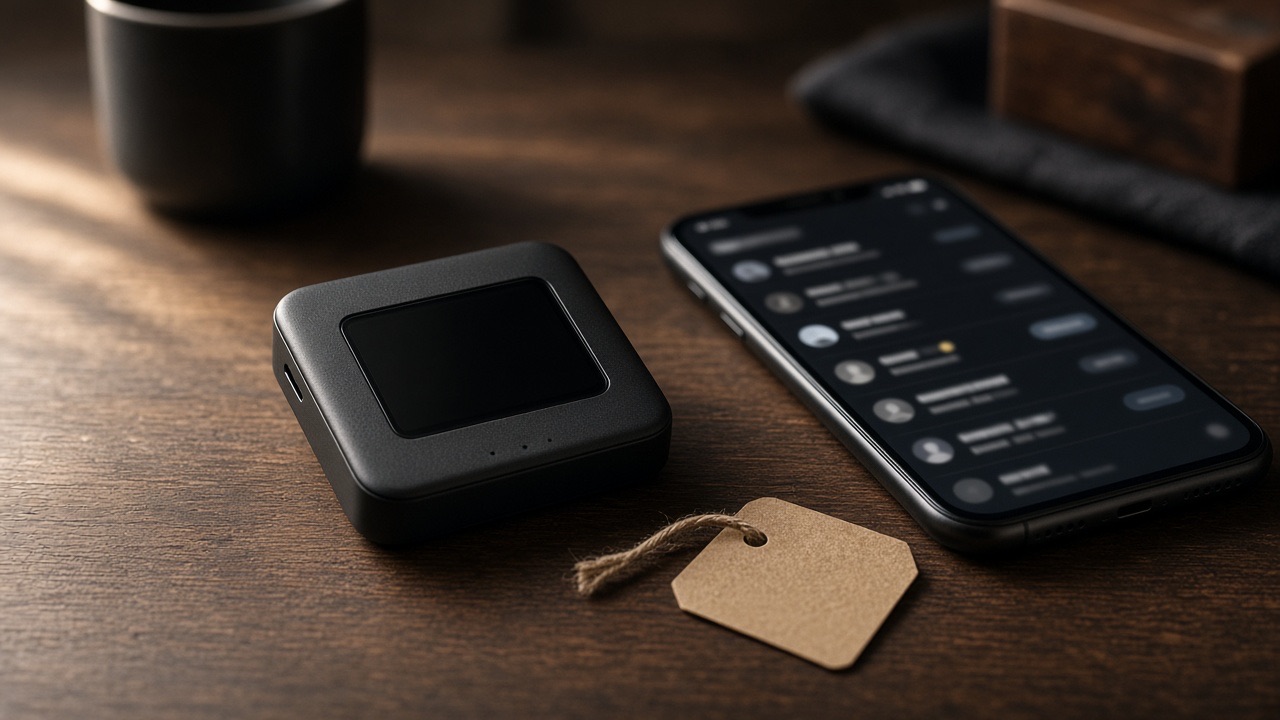
Lining up the incidents that sparked the debate makes it clearer where things went wrong:
| When | What happened | Where the problem was | Were private keys stolen directly? |
|---|---|---|---|
| 2020 | Customer database leaked, exposing emails, names, phone numbers and home addresses | Customer data | No, but it fueled years of phishing and mailed fake devices |
| May 2023 | Launch of the optional Recover seed backup service raised fears that firmware could export seed phrases | Product design and trust | No, it was a trust controversy |
| December 2023 | Malicious code injected into the Connect Kit library; users who signed on affected apps lost funds | Third-party software ecosystem | No, users signed malicious transactions |
None of these incidents proved that private keys inside a hardware wallet can be stolen remotely. What got breached was everything around the device: leaked personal details, user trust in the company and transactions users signed without realizing what they were.
The Recover controversy is the most telling. Many users had assumed a seed phrase could never leave the device. The service made people realize that, with user authorization, firmware could in principle export an encrypted copy. Ledger stressed that the service is optional and must be switched on by the user, but once trust cracks, it's hard to repair.
What a cold wallet protects against, and what it doesn't
People who call cold wallets a waste of money often treat them as all-purpose safes. In reality, a cold wallet solves one core problem: the private key never leaves the device, so even an infected computer or phone can't get at it.
| Risk | Does a cold wallet stop it? | Why |
|---|---|---|
| Malware or remote control on your computer or phone | Yes | Signing happens inside the device; the key is never exposed |
| An exchange collapsing, getting hacked or freezing accounts | Yes | You hold the assets yourself |
| Typing your seed phrase into a phishing site | No | Anyone with the seed phrase can restore your wallet |
| Blind-signing a malicious transaction or approval | No | The device signs; it doesn't judge whether a transaction makes sense |
| A seed phrase photographed or stored in the cloud | No | The seed phrase is the real key |
| Buying a tampered counterfeit device | No | You must buy from official sources |
When you dig into most "stolen despite a cold wallet" cases, they land in the bottom half of this table. For full case breakdowns, read how 80 bitcoin vanished overnight and why some wallets are drained without a seed phrase leak.
Do the math: how much crypto justifies a cold wallet?

Mainstream hardware wallets cost roughly $50 to $400. Here's a rough way to think about it:
| Your crypto holdings | Wallet cost as a share (at $150) | Worth it? |
|---|---|---|
| $300 | 50% | Usually not; fine for learning |
| $3,000 | 5% | Worth considering, especially for long-term holding |
| $30,000 | 0.5% | Very much worth it |
| $300,000+ | 0.05% | A cold wallet is just the start; consider multisig and split backups |
Note: this is a simplified illustration. It ignores your technical skill, trading frequency and local regulations, and is only meant to show the cost-to-benefit ratio.
With a few hundred dollars, a cold wallet does look expensive. With tens or hundreds of thousands, it costs less than a rounding error on even a small theft. When a cold wallet feels like a waste of money, it's usually being used in the wrong situation, not because the tool lacks value.
Is holding your own keys really safer?
It depends on what you're protecting against.
If you're worried about third parties, such as an exchange going bust, getting hacked or freezing your account, holding your own keys is clearly safer. Crypto history has plenty of exchange failures that wiped out customers.
If you're worried about your own mistakes, such as losing your seed phrase, getting phished or signing the wrong thing, self-custody puts all the responsibility on you. There's no support desk, no password reset and nobody who can reverse a transaction.
A more accurate way to put it: a cold wallet trades the risk of trusting others for the risk of trusting yourself. It suits people willing to learn basic security and store a seed phrase properly. For a detailed comparison of the two risks, read are cold wallets really safer than exchanges?
Ground rules for using a cold wallet well
- Buy only from the official website or authorized resellers. No second-hand or "pre-activated" devices.
- Generate the seed phrase on the device yourself, write it down offline, and never photograph, screenshot or upload it.
- Any website, app or support agent asking for your seed phrase is a scam.
- Check the address and amount on the device screen before signing. Don't sign what you don't understand.
- Update firmware only through official software. Never click update links in emails or texts.
- For larger holdings, add a passphrase or use a multisig setup.
FAQ
After all these issues, is Ledger still usable?
Based on what's been disclosed, the problems came mainly from data leaks, optional services and third-party software rather than remote device compromise. If you've lost trust in the company, you can choose another brand or spread risk with a multi-brand multisig setup. Habits matter more than brand.
How different is a phone wallet from a cold wallet?
A phone wallet stores private keys on an internet-connected device, so malware or someone else controlling your phone could expose them. A cold wallet keeps keys inside the device, so even a compromised computer or phone can't hand them to an attacker. The bigger your holdings, the more that difference matters.
I've already been robbed once. Will a cold wallet help?
First figure out why. If your seed phrase leaked, generate a brand-new one immediately and move whatever is left; the old wallet is burned. A cold wallet protects against infected devices, not against leaking your seed phrase again.
What if my cold wallet breaks or gets lost?
Your coins aren't lost. They live on the blockchain, and the wallet only holds the keys. As long as you've stored your seed phrase safely, you can restore everything on a new device. If the seed phrase is gone, though, no device can save you.
Summary
"A cold wallet is a waste of money" is only half right. A cold wallet isn't a talisman that makes you safe the moment you buy it, but for long-term holders with meaningful balances it remains one of the best-value security tools available. Ledger's controversies exposed weaknesses in data handling, trust and the software ecosystem, and they're a reminder that security is a set of habits, not a product.
To dig into recent hardware wallet incidents, read cold wallets aren't bulletproof. For the famous saying behind self-custody, read not your keys, not your coins. This article is for education only and isn't investment advice.

Covers security and beginner guides: wallet safety, key management, phishing and approval risks, helping readers avoid the most common ways to lose funds.
Our editorial principles →
 David Mitchell
 Sarah Collins
 Emily Parker