"In case something happens to me, I wrote down my seed phrase for my wife." "I'm not great with tech, so my brother manages my wallet." "Our company's crypto is in one wallet, and only my co-founder and I know the seed phrase."
Each of these decisions makes sense. One more person who knows means one more safety net. But plenty of real stories end the same way: one day the wallet is empty, and the only other person who knew the seed phrase is the one you trusted most.
This isn't about suspecting everyone around you. It's about a more fundamental question: should your financial security rest on human nature at all?
Key takeaways
- Whoever has your full seed phrase has complete, instant and irreversible control of your funds.
- Many betrayals aren't planned. They happen when pressure, opportunity and rationalization line up.
- Even a completely trustworthy person can leak your seed phrase by accident.
- Bitcoin's motto is "Don't trust, verify." A good setup shouldn't need to test anyone's character.
- Multisig wallets, separated passphrases and split backups let you share responsibility without giving anyone the power to take everything.
Why the people closest to you can be the biggest risk
Criminologist Donald Cressey's "fraud triangle" holds that people who commit fraud usually face three conditions at once: pressure, opportunity and rationalization.
- Pressure: sudden debt, a failing business, gambling, a family crisis.
- Opportunity: a seed phrase that can move the funds at any moment, with nobody to stop them.
- Rationalization: "I'm just borrowing it," "Part of this is mine anyway," "They have plenty; they won't miss it."
Hand someone your full seed phrase and you've given them the opportunity yourself. Nobody can promise that pressure and rationalization will never follow.
| Who you trusted | Common risk scenarios |
|---|---|
| Spouse | Funds moved quietly as a marriage falls apart |
| Family | They need money urgently, or a scammer targets them |
| Business partner | A falling-out, and one partner walks away with company funds |
| Employee or assistant | Funds diverted while managing them, or an insider gets bribed |
| Friend | The friendship fades, a conflict erupts or their finances collapse |

Not every empty wallet is a betrayal
Here's an even more common story: the person meant no harm, but your seed phrase leaked through their carelessness.
- They photographed it, and their phone got malware or their cloud photos were breached.
- While "checking your wallet," they visited a phishing site or downloaded a fake wallet app.
- They mentioned it to their own family, and it spread from there.
- They were targeted by fake support or a romance scam and gave it away without realizing.
You're trusting more than one person's character. You're trusting their security habits, their devices and everyone around them. The more people you trust, the bigger the risk.
Bitcoin's creed: don't trust, verify
Bitcoin was built to remove the need to trust any middleman. In crypto circles, the saying goes: "Don't trust, verify."
The same principle applies to how you secure your own crypto. A good setup should ensure that:
- No single person can move your funds, including you under duress.
- No single lost backup means permanent loss.
- Your family can still inherit if you're gone.
Sounds hard? There are mature tools that do exactly this.
Setups that don't test anyone's character
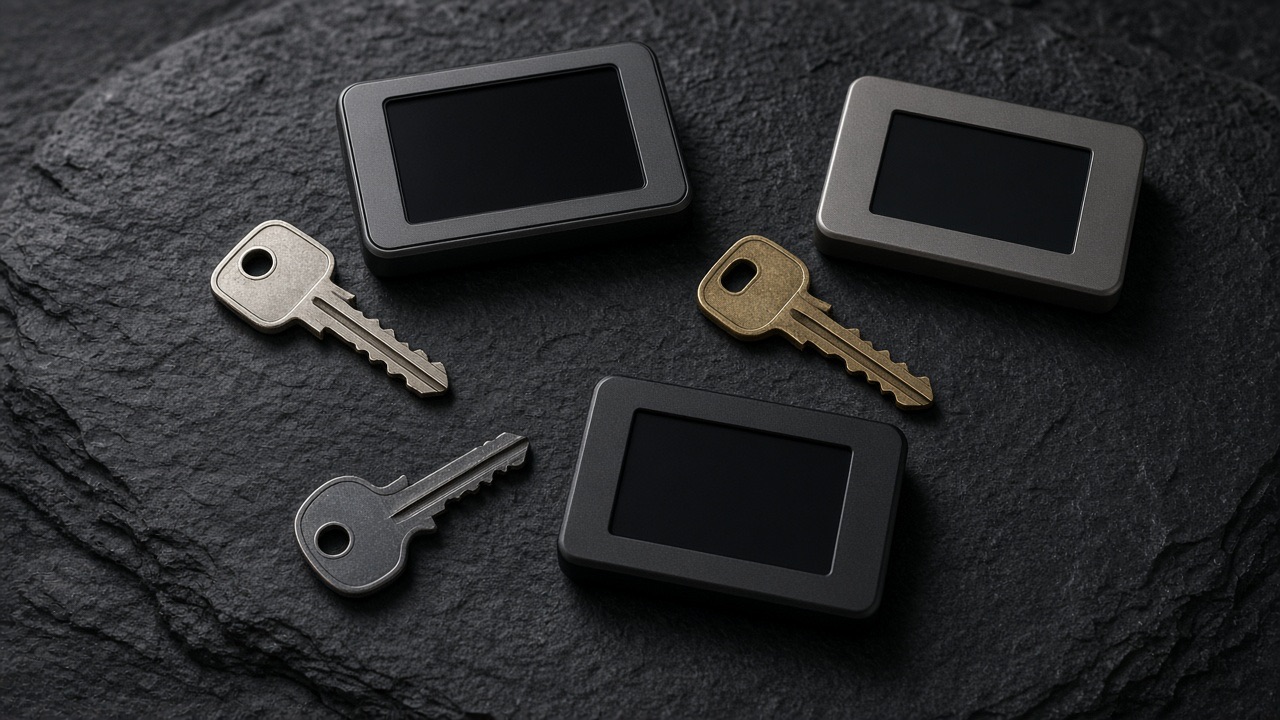
Option 1: a multisig wallet. The most common setup is "2-of-3": three private keys held by you, a family member and a trusted third party (or stored in a separate secure location). Any two must sign to move funds.
- No single person can take the funds.
- Lose any one key and the other two still work.
- If something happens to you, your family and the third party can work together to inherit.
Option 2: separate the seed phrase and the passphrase. Give your family the seed phrase, but keep the passphrase yourself or with a different person. Neither piece alone opens your real wallet. Just remember that if the passphrase is lost with no backup, the funds are gone too.
Option 3: split backups. Wallets that support split backup standards like SLIP-39 can divide your recovery information into shares, such as "any 3 of 5," and give them to different people or places. With fewer than the required number, nobody can restore the wallet.
Option 4: pair legal documents with a technical setup. Use a will, trust or marital agreement to make ownership and inheritance clear, then enforce it with one of the setups above. The law decides who owns it; the technology decides who can access it. You need both.
| Setup | Prevents one person taking everything | Survives one lost backup | Inheritance | Difficulty |
|---|---|---|---|---|
| Give the seed phrase to one person | No | Partly | Good | Very low |
| Seed phrase + separate passphrase | Yes | Fair | Needs planning | Medium |
| Split backups (e.g. 3-of-5) | Yes | Yes | Good | Medium |
| Multisig (e.g. 2-of-3) | Yes | Yes | Good | Higher |
For company or team funds, multisig should be non-negotiable, along with separated roles and regular reconciliation. No single person should ever control all of the assets.
If your wallet has already been emptied
- Assess and contain. Check the on-chain record to see where the funds went. If any funds remain, or other wallets use the same seed phrase, move them to a brand-new wallet immediately.
- Preserve evidence. On-chain records are permanent and public. Also save any messages or documents showing you shared the seed phrase and for what purpose.
- Pursue legal options. Taking someone else's property without permission can be a crime, even within a family. Report it to the police, or talk to an attorney about a civil claim.
- Follow the money. If the funds reached an exchange, law enforcement can ask the exchange to freeze them.
- Take care of yourself. Being hurt by someone close is often harder than being fooled by a stranger. Lean on people you trust, or a professional, if you need to.
FAQ
Is crypto bought during a marriage joint property?
It depends on where you live. In US community property states, assets acquired during a marriage are generally owned equally by both spouses; other states divide property "equitably" in a divorce. Courts can also penalize a spouse who hides or moves marital assets. Crypto adds complexity, so talk to a family law attorney.
What if I only tell my family where the seed phrase is, without showing them?
It's slightly better than handing it over, but they can still access it anytime. A passphrase or multisig setup is safer, because no single piece of information can move the funds.
Isn't multisig too complicated for regular people?
There are now wallets and services with relatively friendly multisig setups, though they still take more effort than a standard wallet. Practice with a small amount first, scale up once you're comfortable, and write down the steps for your family.
How can I prove the other person moved the funds?
On-chain records show when funds moved and between which addresses, but not who pressed the button. You'll need to combine evidence that you shared the seed phrase with where the funds ended up, such as an exchange account verified in their name, and let law enforcement or a court decide.
Summary
Giving your seed phrase to the person you trust most means using human nature as collateral. But people change, circumstances change and security habits vary. The safest system isn't built around finding someone who will never change. It's designed so nobody's character is ever put to the test.
Multisig, a separated passphrase or split backups, combined with clear legal arrangements, let your family step in when needed without giving any one person the chance to take everything. For more on inheritance planning, read what happens when a bitcoin whale dies without sharing the seed phrase. This article is for education only and isn't investment or legal advice.

Covers security and beginner guides: wallet safety, key management, phishing and approval risks, helping readers avoid the most common ways to lose funds.
Our editorial principles →
 David Mitchell
 Sarah Collins