
Ask "Is it safe to keep crypto on an exchange?" in any crypto community and watch the argument start.
Veterans fire back with the classic: "Not your keys, not your coins!" Then they list the casualties: Mt. Gox, FTX and more.
Newcomers push back: "I don't even know how to store a seed phrase. Isn't doing it myself more dangerous? At least an exchange can reset my password and has customer support."
This debate has raged for over a decade, but it's gotten noticeably louder in the last few years. Why? And who's actually right?
Key takeaways
- At its core, the debate is about one question: do you trust institutions or yourself more?
- The exchange camp values simplicity, account recovery and fraud protection.
- The self-custody camp values zero platform risk, no frozen accounts and true ownership.
- Exchange failures, new regulation, better wallets and physical threats against holders are all fueling the debate.
- For most people, the best answer isn't choosing a side. It's splitting holdings by purpose.
Two camps, two sets of fears

| Exchange camp | Self-custody camp | |
|---|---|---|
| Core belief | Leave it to professionals | Only holding your own keys is truly safe |
| Biggest fear | Losing the seed phrase, getting scammed, making mistakes | Hacks, insolvency, misused funds, frozen accounts |
| What they value | Convenience, recovery options, support | Independence, censorship resistance, no middlemen |
| Favorite example | "My friend lost his seed phrase and every coin with it" | "FTX froze withdrawals overnight" |
| Typical users | Beginners, active traders | Long-term holders, technical users |
Here's the interesting part: both sides are stating facts. Exchanges really have failed many times, and individuals really have lost lots of crypto. The argument was never about which side has risk. It's about which risk you can live with.
Why the debate keeps getting louder
1. Exchange disasters keep getting bigger
FTX's 2022 collapse showed countless users how a platform balance can become an unwithdrawable number overnight. In 2025, the Bybit hack, with about $1.5 billion in ether stolen, set a new record for crypto theft. Every major incident pushes another wave of users toward self-custody.
2. Regulation and transparency are improving
At the same time, exchanges are becoming more accountable. After FTX, more platforms began publishing proof of reserves. The EU's Markets in Crypto-Assets regulation (MiCA) became fully applicable at the end of 2024. In the US, spot bitcoin ETFs were approved in January 2024, giving investors regulated exposure without touching a wallet. For many people, licensed, regulated institutions now look more reliable than going it alone.
3. Self-custody tools keep improving
Hardware wallets, multisig, smart contract wallets and social recovery have steadily lowered the barrier, giving ordinary people more confidence to be their own bank.
4. Self-custody has revealed new risks
But self-custody has costs too. Kidnappings and home invasions targeting crypto holders have been reported in a number of countries. In early 2025, a co-founder of hardware wallet maker Ledger was kidnapped for ransom in France. When your crypto exists only under your control, you can become the target.
A debate with no single right answer
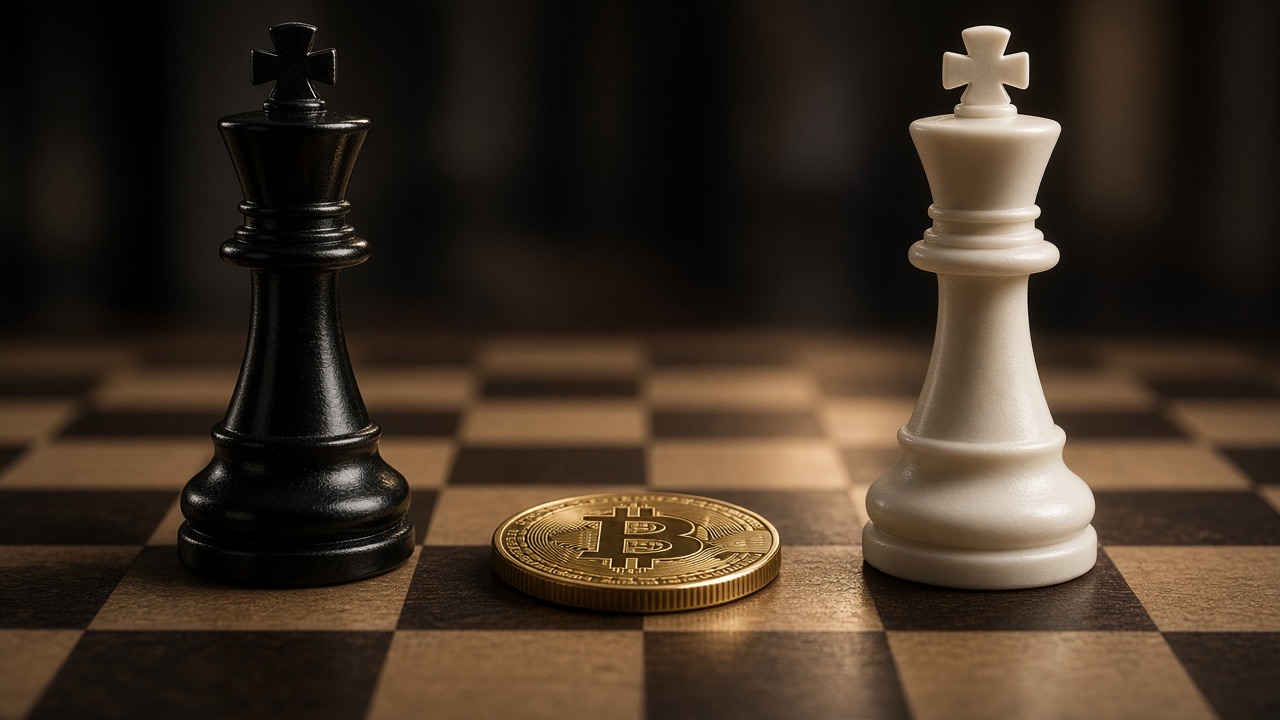
Instead of picking a team, ask yourself:
- How much are you holding? The bigger the amount, the more both platform risk and personal risk cost you, and the more carefully you need to plan.
- How strong are your technical skills and discipline? Can you protect a seed phrase for years and spot scams reliably?
- How often do you trade? Active trading money is more convenient on an exchange.
- What's the regulatory environment where you live? Is the platform licensed and supervised?
- Have you thought about inheritance? Exchanges have estate processes; self-custody requires your own planning.
Suggested setups by profile
| Who you are | Suggested setup |
|---|---|
| Complete beginner | Learn with small amounts on a regulated platform while practicing self-custody basics |
| Active trader | Keep trading funds on an exchange (with 2FA and a withdrawal allowlist); sweep profits to your own wallet regularly |
| Long-term holder | Most holdings in a cold wallet with multiple offline backups; a small amount on an exchange |
| Large holder | Multisig, or a cold wallet with a passphrase; backups in separate places and an inheritance plan |
| Don't want to manage keys | Regulated, transparent platforms with proof of reserves, spread across more than one; or a regulated ETF |
FAQ
If an exchange publishes proof of reserves, is it as safe as self-custody?
No. Proof of reserves improves transparency, but it usually reflects one moment in time and can't fully rule out misuse, hacks or business failure. It reduces risk; it doesn't eliminate it.
Does spreading crypto across several exchanges reduce risk?
It limits the damage if one platform fails, but adds account management overhead and more chances to get phished. Use 2FA and a unique, strong password for every account.
Does self-custody make me a target for criminals?
It can. Self-custody holders should stay low-key: don't flaunt holdings on social media and don't tell people who don't need to know. For large amounts, multisig and geographically separated backups mean coercing one person isn't enough to take everything.
Is there an option between exchanges and self-custody?
In some markets, regulated spot bitcoin ETFs let investors hold bitcoin exposure through a brokerage account, with professional custodians holding the underlying coins. These products have fees and market risk, and you don't own bitcoin directly, so you can't withdraw or spend it.
Summary
The exchange-versus-self-custody debate keeps heating up because both sides' risks keep materializing: exchanges fail, and individuals lose coins. This isn't a true-or-false question. It's a choice about which risk you're better equipped to handle.
The practical approach is tiered: trading money on a platform, long-term holdings in your own wallet and stronger protections as your holdings grow. For a deeper look at the risks, read is a cold wallet really safer than an exchange?, and test your readiness with are you ready to be your own bank?. This article is for education only and isn't investment advice.

Covers the markets desk: market cap, volume, funding rates and on-chain data, turning complex indicators into conclusions everyday readers can follow.
Our editorial principles →
 Sarah Collins

 David Mitchell