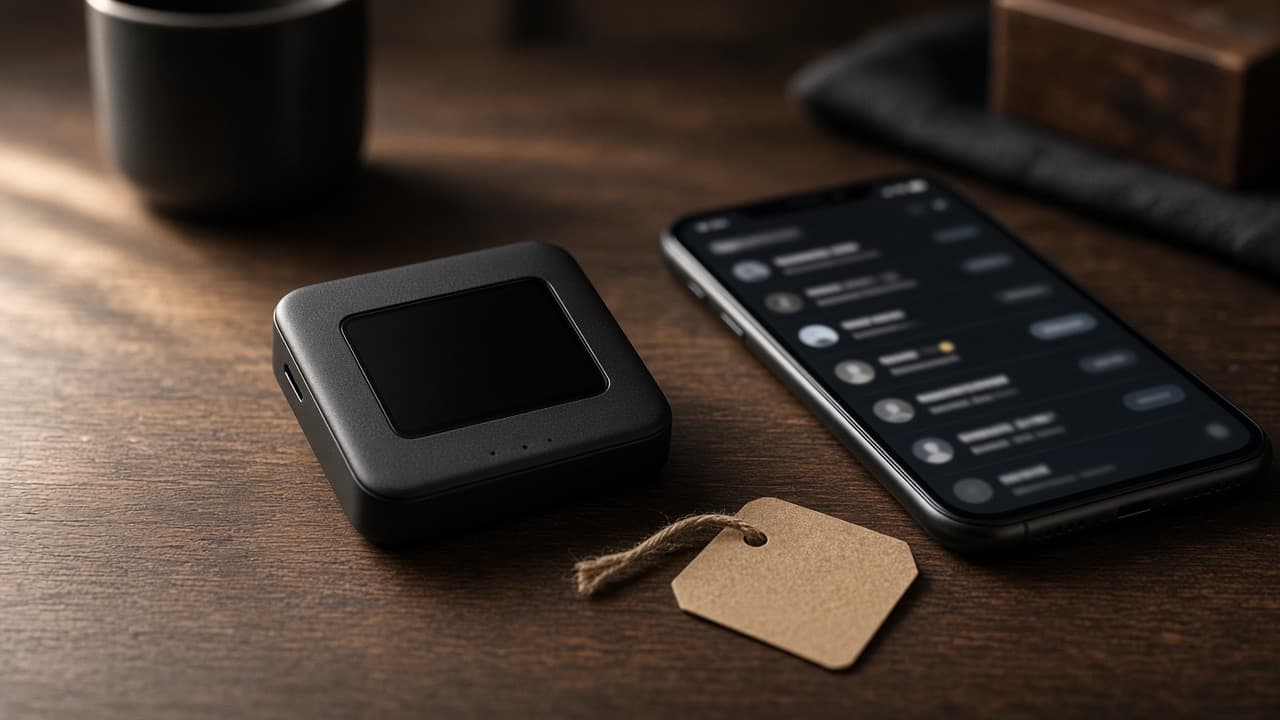
Jake was an everyday crypto user. He used a browser extension wallet for on-chain activity and kept about $6,400 in stablecoins and tokens in it.
One weekend, he went looking for a game mod and found a "free cracked version" in his search results. The installer was a little odd. It said he needed to "turn off antivirus to run," so he did. When the program opened, nothing much happened, and he forgot about it.
Three days later, he opened his wallet and found everything had been sent to an unfamiliar address. He'd never shared his seed phrase, and he couldn't remember signing anything strange.
Note: "Jake" is a composite character, and $6,400 is an illustrative amount. This scenario is built from common malware theft patterns to show how the risk works. It doesn't describe one specific incident.
Key takeaways
- Malware doesn't need you to hand over your seed phrase. It can steal wallet data, passwords and login sessions straight from your browser.
- Cracked software, game cheats, "free tools," fake meeting apps and fake wallet apps are malware's favorite disguises.
- Infostealers and clipboard hijackers (clippers) are the two types most used to steal crypto.
- "Turn off your antivirus" and "requires administrator access" are often the clearest red flags.
- If you suspect an infection, move your funds from a clean device first. Run antivirus later.
How the $6,400 was stolen
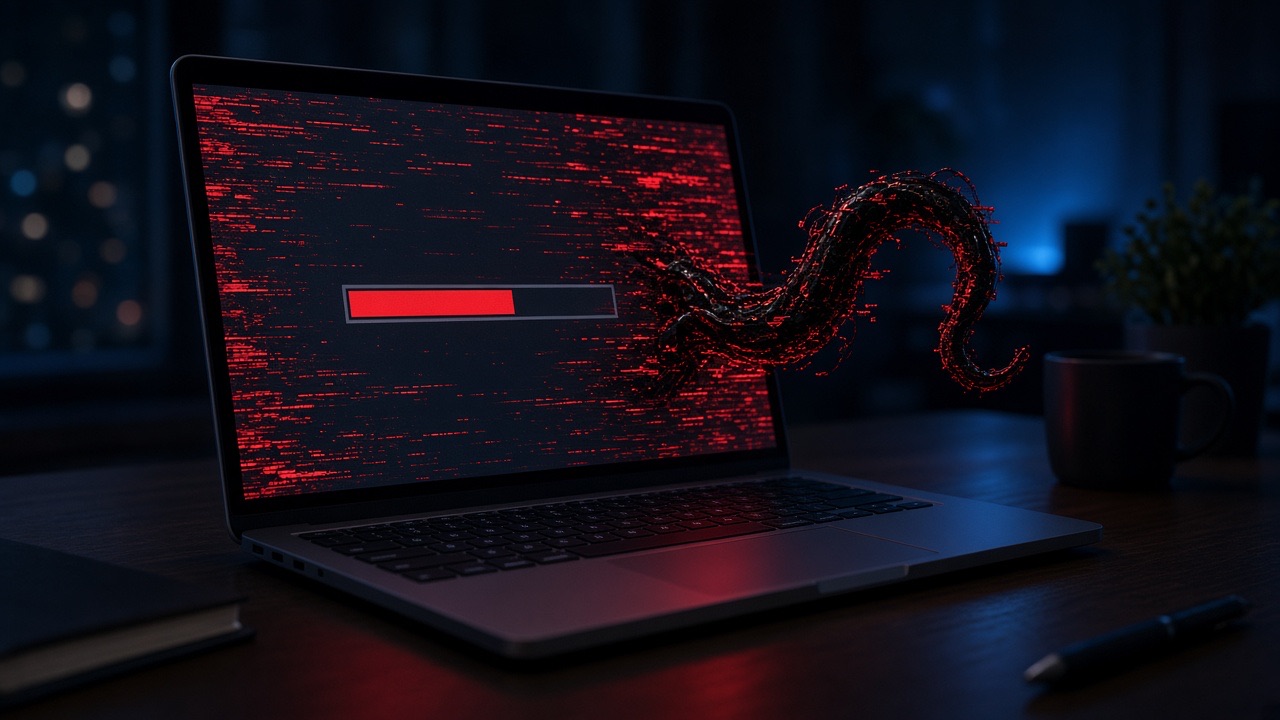
The "cracked tool" Jake downloaded came bundled with an infostealer. Once running, this kind of malware typically works through these steps within minutes:
| Step | What the malware does | Did Jake notice? |
|---|---|---|
| 1. Install | Talks the user into disabling antivirus and gains permission to run | Only that the install "felt off" |
| 2. Harvest | Scans the browser for saved passwords, cookies and autofill data | No warning at all |
| 3. Steal the wallet | Copies the extension wallet's encrypted local data file | No warning at all |
| 4. Upload | Packages everything and sends it to the attacker's server | No warning at all |
| 5. Crack and drain | Unlocks the wallet data with stolen passwords and moves the funds | Found a zero balance three days later |
Steps 2 and 3 are the crux. Browser extension wallets store encrypted wallet data locally. With that file and the wallet password, an attacker can restore the wallet on their own machine. Jake let his browser save passwords, and his wallet password matched the one he used on other sites.
Jake never typed his seed phrase anywhere, but the result was exactly the same as if he'd leaked it.
The two main types of crypto-stealing malware
Infostealers: everything you've unlocked, packed up at once
Infostealers have become some of the most active malware in recent years. They grab browser passwords, cookies, wallet files and chat app sessions, anything valuable. Attackers use the data to steal crypto or sell it on underground markets.
The scale is staggering. Take Lumma Stealer: in May 2025, Microsoft and law enforcement agencies in several countries moved against its infrastructure. Microsoft said it had identified about 394,000 infected Windows computers worldwide between March and May of that year alone.
Clippers: the address you copied gets swapped
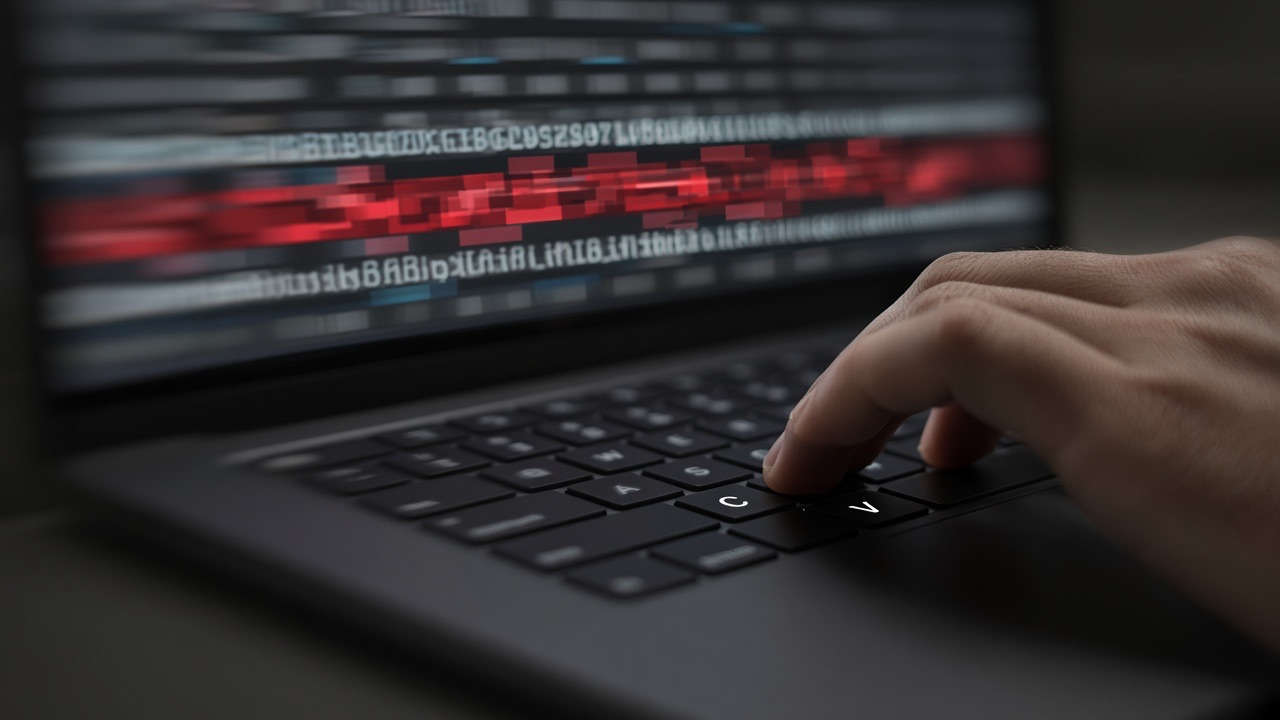
Clippers are sneakier. They watch your clipboard, and the moment you copy a crypto address, they swap in the attacker's. Many attackers generate look-alike addresses that share the first and last few characters with yours, so the switch is hard to spot.
You think you're depositing to an exchange. The money is actually going straight to the attacker.
Malware's most common disguises
| Disguise | Typical pitch | Red flag |
|---|---|---|
| Cracked software, game cheats | "Free full version," "lifetime activation" | Asks you to disable antivirus |
| Fake wallet or trading apps | "Latest official version," "lite edition" | Comes from a search ad or unofficial link |
| Fake meeting or interview software | "We interview on our own platform; please install it first" | A stranger sends you an installer |
| "Airdrop tools," "trading bots" | "Auto-claim airdrops," "guaranteed-profit scripts" | Asks you to import a wallet or install an extension |
| Malicious browser extensions | "Price tracker," "gas optimizer" | Requests access to data on all websites |
| Programs disguised as documents | "Whitepaper.pdf.exe" | Unusual file extension |
It's worth noting that official app stores aren't foolproof either. In 2023, a fake Ledger Live app appeared in the Microsoft Store and was reported to have caused hundreds of thousands of dollars in losses. The safest way to download wallet software is through the link on the wallet's official website.
Fake job offers aimed at crypto users are also on the rise. Someone posing as a project team or recruiter contacts you, runs a few rounds of professional-looking conversations, then asks you to install a "meeting app" or run some "test code." It's malware.
If you think you've been infected
Order matters. Many people's first instinct is to run antivirus. But if the malware has already stolen your data, the attacker can strike at any moment. Do this instead:
- Switch to a clean device. Use a phone or computer you know is safe. Don't act from a machine that may be infected.
- Move your funds immediately. On the clean device, create a brand-new wallet with a new seed phrase and transfer whatever is left.
- Revoke approvals. Check your old wallet's token approvals and revoke anything you don't need.
- Change passwords and sign out everywhere. Exchanges, email and chat apps: change passwords, end all active sessions and turn on two-factor authentication.
- Clean up the infected machine. Back up what you need, then reinstall the operating system rather than relying on an antivirus scan.
- Report and preserve evidence. Save transaction hashes and where the suspicious software came from. In the US, report at ic3.gov and ReportFraud.ftc.gov; elsewhere, contact local police.
FAQ
I use a Mac or a phone. Can I still get infected?
Yes. Windows is the main target, but infostealers aimed at macOS have grown noticeably in recent years, and malicious apps exist on phones too. Whatever system you use, don't install software from unknown sources.
My antivirus didn't flag anything. Does that mean I'm safe?
Not necessarily. New malware may not be recognized yet, and much of it tricks you into turning protection off. Antivirus is one layer of defense, not a substitute for safe download habits.
Can a hardware wallet protect me from malware?
Largely, yes. The private key never leaves the device, so malware can't steal it directly. A clipper can still trick you into sending to the wrong address, though, so always check the full address on the hardware wallet's screen.
Can crypto stolen by malware be recovered?
It's very difficult. Fast reporting and good evidence improve the odds, and if funds reach a regulated exchange, law enforcement may be able to request a freeze. Be wary of anyone offering "technical recovery." That's usually a second scam.
Summary
Jake didn't lose $6,400 because his seed phrase leaked. He lost it to a "free download." Malware doesn't need you to hand over your keys. It takes them straight off your computer. Stay away from cracked software and unknown installers, keep larger holdings on a hardware wallet, and separate the computer you use for everyday browsing from the setup that holds your funds.
To learn more ways wallets get drained, read why some people get robbed without leaking their seed phrase and how to spot crypto scams. This article is for education only and isn't investment advice.

Covers the markets desk: market cap, volume, funding rates and on-chain data, turning complex indicators into conclusions everyday readers can follow.
Our editorial principles →
 David Mitchell
 Sarah Collins