"Eight years in crypto. I've seen exchanges disappear and I've gone through several hardware wallets. After the recent scares, I've decided to move most of my coins back to an exchange. Not because exchanges are safer. I just can't keep up anymore."
That message from a longtime holder drew hundreds of replies. Some sympathized, some scolded him for forgetting FTX, and some voiced what many were thinking: holding your own keys is exhausting.
That fatigue deserves to be taken seriously. If even veterans find it hard, the problem may lie not only with people but with the methods they're using.
Key takeaways
- Veterans moving back to exchanges usually aren't doing it because exchanges are safer. It's the mental load, the effort and shaken trust in hardware wallets.
- Exchange custody and self-custody each carry risks. What matters is which risk you can live with.
- Multisig and collaborative custody can reduce the risk of a single mistake wiping you out.
- Tiering holdings by size and purpose is more practical than all-on-exchange or all-in-one-seed.
Why veterans want to give up self-custody
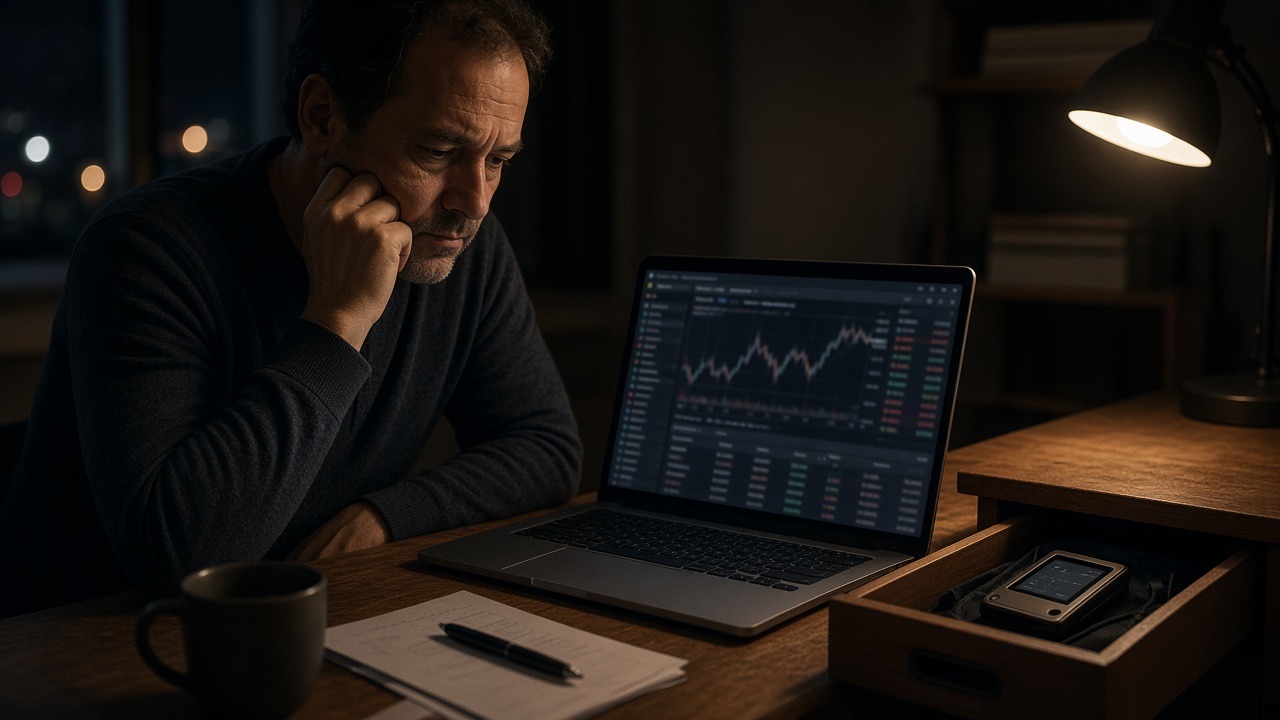
From community discussions, the reasons fall into a few groups:
| Reason | What it looks like |
|---|---|
| Heavy mental load | Worrying the seed phrase will be found, stolen or burned; anxious even while traveling |
| Shaken trust in hardware wallets | A run of headlines about data leaks, service controversies and tampered devices |
| Growing complexity | Many chains, many wallets, constant approvals; one slip and you sign the wrong thing |
| No answer for inheritance | Fear that if something happens to them, family won't know how to access funds |
| Exchanges look more mature | Some platforms publish proof of reserves regularly and are more regulated |
These are all real. But most of these problems can be eased with better methods rather than handing your assets to someone else.
What you gain and give up by moving back to an exchange
| Comparison | Exchange custody | Self-custody |
|---|---|---|
| Day-to-day use | Simple; forgotten passwords can be reset | You manage seed phrases and signing yourself |
| Third-party risk | Exchange collapse, hacks or misuse of funds hit you directly | Not affected |
| Account risk | Accounts can be frozen or withdrawals limited | Nobody can freeze your coins |
| Recovery after a scam | Funds can sometimes be frozen or recovered | Once funds move, recovery is nearly impossible |
| Inheritance | Goes through the platform's process, which can be complex | Must be planned in advance, or funds may be lost forever |
Moving back to an exchange buys convenience and the comfort of having someone to call, but it ties your assets to the fate of one company. From Mt. Gox to FTX to DMM Bitcoin in 2024, history offers plenty of lessons. For detailed cases, read not your keys, not your coins.
Self-custody feels hard because of how it's done
Many people find self-custody hard because everything rides on a single seed phrase: lose it and the coins are gone; leak it and the coins are gone. That single point of failure is anxiety-inducing by design.
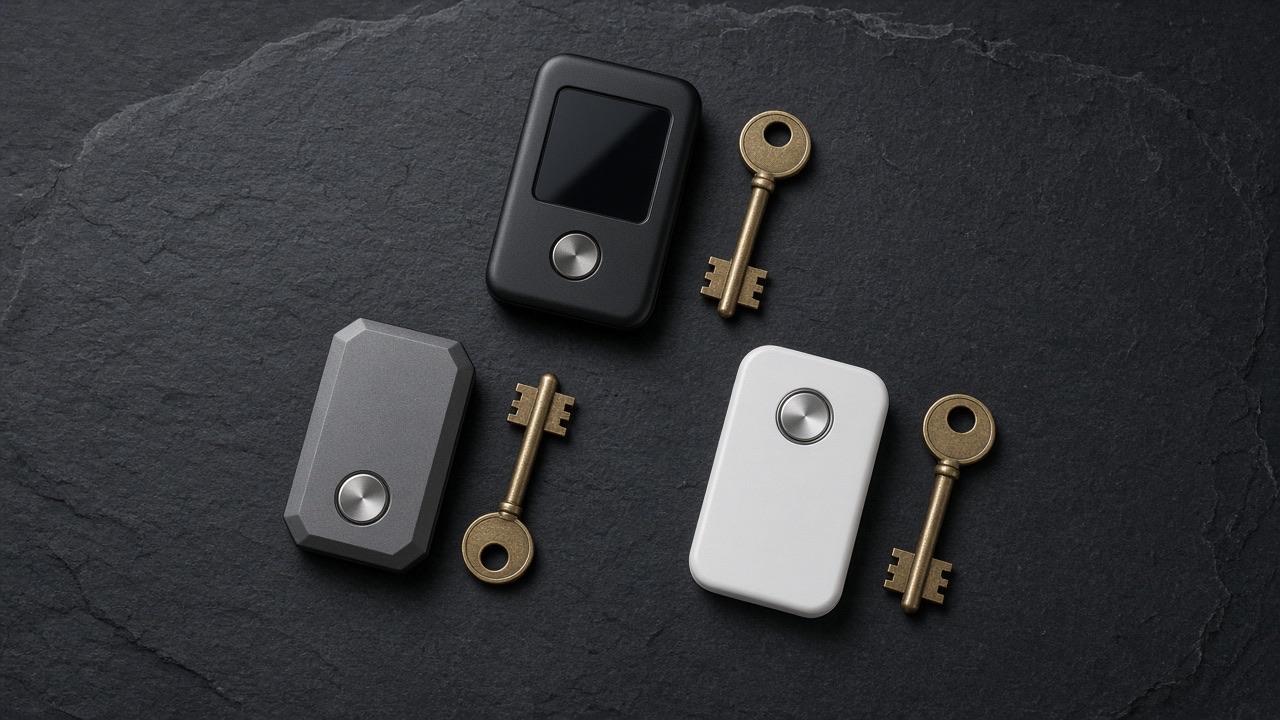
There are options between "everything on an exchange" and "one seed phrase carries it all":
| Option | How it works | Who it suits |
|---|---|---|
| Hardware wallet plus passphrase | Adds a password layer on top of the seed phrase | People comfortable with hardware wallets who want more security |
| 2-of-3 multisig | Three keys stored separately; any two can move funds | Larger holders worried about a single mistake |
| Collaborative custody | You hold most keys; a provider holds a backup key and helps with recovery | People who want self-custody with some support |
| Regulated investment products | Such as spot bitcoin ETFs in some markets, held by a custodian | People who only want price exposure, not on-chain use |
Take 2-of-3 multisig: if you lose one key or one key is stolen, your funds stay safe, and you can use the remaining two to move everything to a new multisig wallet. It directly addresses the veteran's biggest fear: one mistake and everything's gone. Setup and recovery are more involved, though, so learn and rehearse them in advance.
For how spot bitcoin ETFs work, read what is a spot bitcoin ETF?
A more practical tiered approach
- Trading money: keep it on a long-running exchange that publishes proof of reserves regularly, with two-factor authentication and withdrawal allowlists on. Only keep what you can afford to lose.
- Medium-term holdings: a hardware wallet bought from official sources, seed phrase stored offline, with a passphrase.
- Large long-term holdings: consider multisig or collaborative custody, with keys stored in different places.
- Inheritance: write an instruction letter, without the seed phrase, explaining to family when and how to find what's needed for recovery.
- Rehearse: test recovery once a year with a small amount to make sure your backups really work.
FAQ
If an exchange publishes proof of reserves, is it safe to move coins back?
Proof of reserves improves transparency, but it's usually a snapshot in time and can't prevent future hacks or misconduct. It's useful when choosing a platform, but it's no substitute for spreading risk.
Isn't multisig too complicated for ordinary people?
Multisig takes more setup than a single-key wallet, but several wallet apps now offer fairly friendly interfaces. Walk through creating, sending and recovering with a small amount first, and only store larger sums once you're comfortable.
I'm getting older and worry I won't manage a hardware wallet later. What can I do?
Consider collaborative custody, multisig or a written inheritance plan so trusted family understand the basics. Either way, don't hand your seed phrase to someone else to keep. You can split the information needed for recovery and store it in separate places.
I've already moved my coins back to an exchange. Should I move them out again?
It depends on the amount and your needs. If it's a large sum you won't touch for a long time, consider moving at least part of it back to a wallet you control, or spreading it across several platforms so you're not betting everything on one company.
Summary
Veterans moving coins back to exchanges doesn't show that exchanges have become safe. It shows that self-custody built on a single seed phrase wears people down. Rather than choosing between trusting others completely and doing everything yourself, tier your holdings by size, and use passphrases and multisig to remove single points of failure.
To decide whether a cold wallet is worth it, read is a cold wallet a waste of money? For a detailed comparison of exchanges and self-custody, read are cold wallets really safer than exchanges? This article is for education only and isn't investment advice.

Covers the markets desk: market cap, volume, funding rates and on-chain data, turning complex indicators into conclusions everyday readers can follow.
Our editorial principles →
 David Mitchell
 Sarah Collins